Before I started travelling around the UK with my dog, I thought it would be quite simple — pack a few things, get in the car, and go. In reality, it turned out to be a bit more… unpredictable.
Some trips went smoothly, others involved muddy paws, last-minute changes, and the occasional “why did I think this was a good idea?” moment. I remember one trip where everything seemed fine when we left, but halfway through I realised I’d forgotten something as basic as water. That turned a relaxed journey into a bit of a scramble.
After a few trips like that, I started to understand what actually works when travelling with a dog — and more importantly, what doesn’t.
The Car Journey Isn’t Always Calm
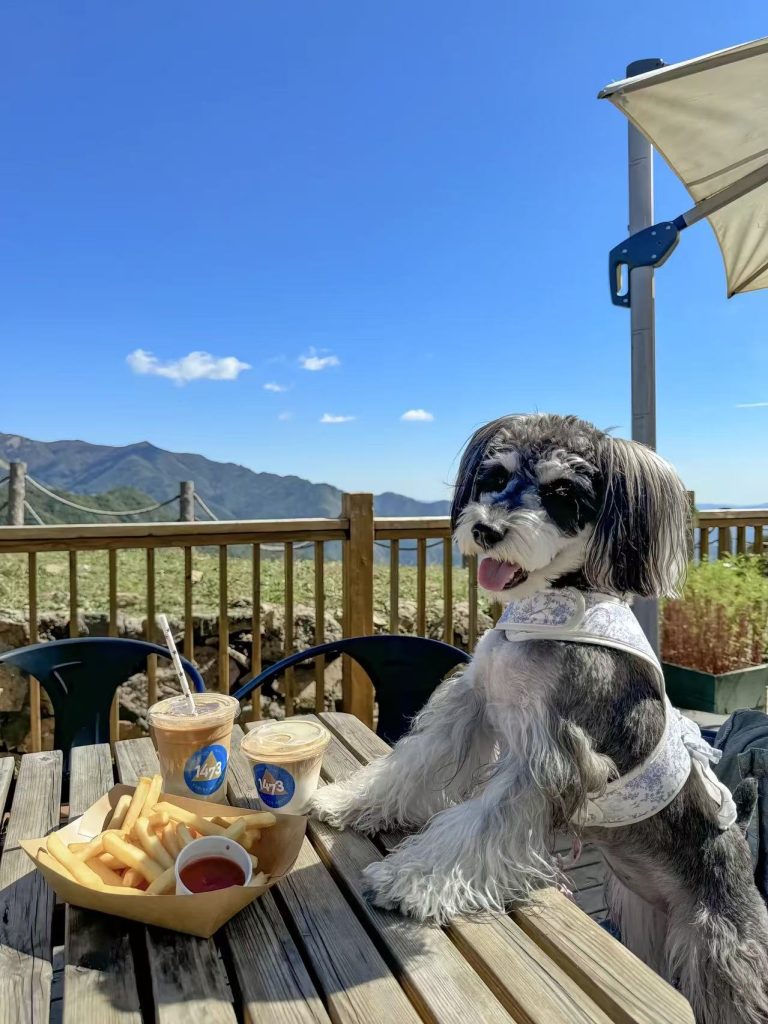
I imagined peaceful drives with my dog quietly sitting and enjoying the view. That lasted about 10 minutes.
After that, it became a mix of shifting around, trying to settle down, and occasionally giving me a look that felt like I’d made a questionable decision. Sometimes he’d sit, then stand, then turn around for no clear reason, as if he was trying to find the “perfect” spot that didn’t exist.
On one trip, I thought he had finally settled — only to realise a few minutes later he had just moved into a slightly different uncomfortable position.
I’ve learned to bring a blanket, some water, and plan short stops along the way. Even a quick stop where he can stretch and look around seems to make a big difference.
👉 A calm car ride is something you slowly build up to — it doesn’t just happen on its own.
Everything Takes Longer Than You Think
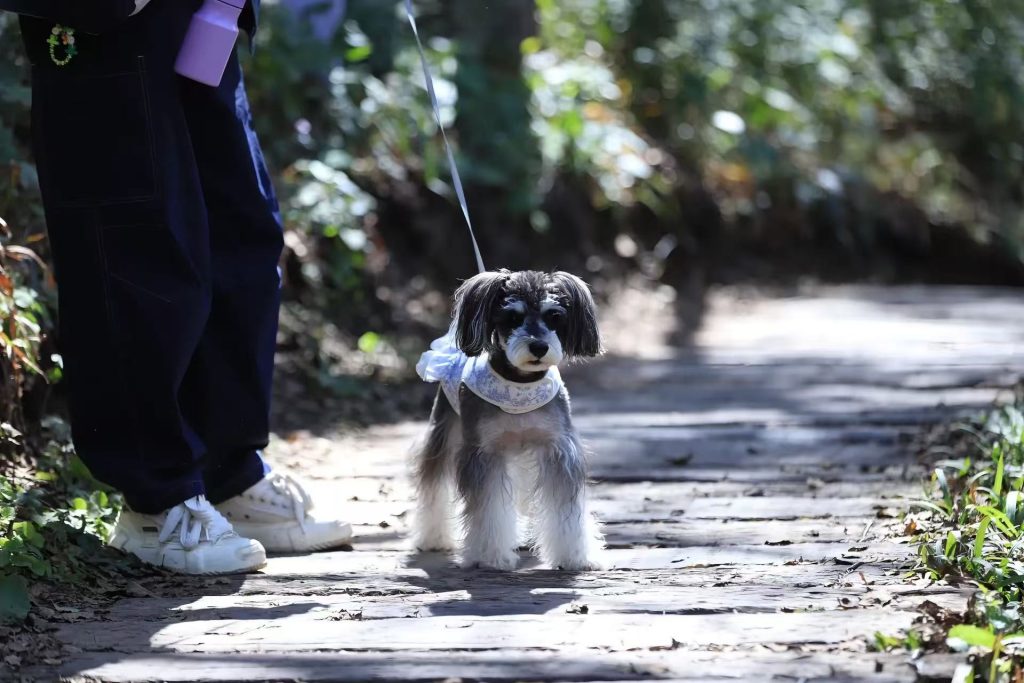
This is probably the biggest change.
A simple stop doesn’t stay simple for long. What should be a quick walk turns into something slower and more unpredictable. Dogs seem to experience everything at a completely different pace — stopping, sniffing, doubling back, and occasionally freezing in place for reasons I still don’t fully understand.
There have been moments where I thought we were heading back, only for him to suddenly decide something behind us was more interesting.
Time just seems to stretch. What feels like 10 minutes turns into 20 without really noticing.
I’ve stopped trying to keep things tightly scheduled. It’s much easier to just allow extra time and not rush it.
“Dog-Friendly” Isn’t Always Clear
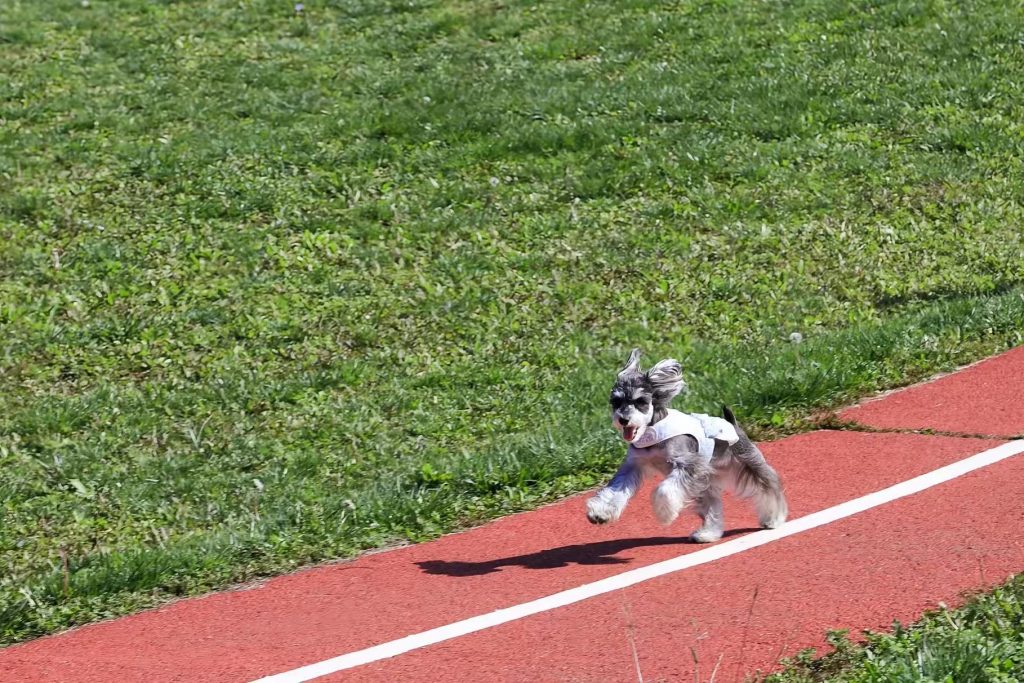
One thing I didn’t expect is how inconsistent “dog-friendly” can be.
Some places are genuinely welcoming — you’ll notice water bowls outside, a bit of space to sit, and staff who clearly enjoy having dogs around. In those places, everything feels relaxed.
Other places technically allow dogs, but it’s a different atmosphere. You might feel like you’re squeezing into a space that wasn’t really designed for it, or that you need to be extra careful not to get in anyone’s way.
I’ve had a couple of moments where I walked in, paused for a second, and thought, “this probably wasn’t the best idea.”
These days, I tend to stick with places that clearly welcome dogs rather than trying to guess.
You End Up Carrying More Than You Planned
Before my first trip, I thought I’d just bring a lead and maybe some food. That didn’t last long.
Now, getting ready feels like a small routine. I’ll grab the lead, then remember the water, then add treats, and then think about bringing a towel — just in case. Somehow, it all builds up without me noticing.
There was one time I didn’t bring anything extra, thinking it would be a short trip. That turned into a longer outing, and I quickly realised how unprepared I was.
It’s not complicated, but it’s definitely more than I expected at the beginning.
Finding the Right Place to Stay Matters
If you’re staying overnight, this is something I pay much more attention to now.
Some places say they’re dog-friendly, but that can mean very different things in practice. In some cases, it’s genuinely easy — enough space, no awkward rules, and everything feels relaxed.
In other cases, it feels like dogs are allowed, but only just. You end up being more aware of what your dog is doing, which takes away from the whole experience.
I’ve learned to look for places where it feels natural to have a dog with you, rather than somewhere that just technically allows it.
A good place to stay makes everything feel easier, from the moment you arrive.
Plans Rarely Go Exactly as Expected
Even with a rough plan, things tend to change.
You might stop more often than you expected, stay longer in one place, or skip something completely. Sometimes your dog just isn’t interested in moving on as quickly as you are.
There have been times where I planned a few stops in one day and ended up only doing one — not because anything went wrong, but because everything just took longer.
At first, this felt a bit frustrating. Now, I’ve got used to it.
Travelling with a dog is less about following a plan and more about adjusting as you go.
Final Thoughts
Travelling with a dog in the UK isn’t always smooth, but it’s definitely more interesting.
There are small adjustments you have to make — allowing more time, being a bit more prepared, and staying flexible when things don’t go exactly as planned. But after a few trips, those things start to feel normal.
Even the slightly inconvenient moments — the delays, the extra stops, the unexpected changes — become part of the experience.
And honestly, having your dog with you makes even a simple trip feel more memorable in a way that’s hard to explain.
About the Author
Errol is a pet owner based in Cheshire, UK, sharing real-life experiences of living with dogs, including daily routines, travel, and pet care insights.