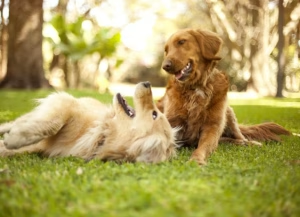
One of the best things you can do for your life is bring home a dog. Those little paws, lively zoomies, and eager eyes rapidly become a part of your daily life and your heart. But with all the fun comes a lot of work. Puppies are not simply miniature dogs; they are growing, learning, and changing quickly. Their health, behavior, and personality are affected by how they are cared for in their first few months.
At first, many new owners feel that they have too much to do. You can rapidly get many questions regarding feeding, training, sleep routines, immunizations, and safety. What should you do first? Which mistakes should be avoided? How do you tell whether you’re doing things right?
This guide on puppy care for total beginners shows you how to do everything you need to do, from getting your home ready to establishing healthy habits, so you can raise a joyful, healthy, and well-adjusted dog.
Let’s start by talking about the basics of taking care of a puppy.
Get Your House Ready Before the Puppy Comes
Providing your puppy with a safe and friendly environment can expedite their acclimatization process and prevent them from experiencing harm or stress. Puppies use their mouths and curiosity to learn about the world, so it’s important to get ready.
Make your home safe for puppies by:
- Taking away access to electrical cords
- Keeping cleaning materials and medicines safe
- If necessary, blocking access to stairs
- Keeping tiny things and shoes off the floor
- Putting lids on trash cans to keep them safe
You should also make a special space for comfort.
Things your puppy needs in its space:
- A comfortable bed or crate
- Bowls for food and water
- Chew toys that are safe
- Training pads (if necessary)
- A blanket that smells like home
A constant place to relax will make your puppy feel safe and less anxious during the transition phase.
Provide Proper Nutrition for Healthy Growth
Your puppy’s growth depends a lot on what they eat. Their bodies are growing quickly; therefore, they require the correct amount of vitamins, minerals, lipids, and protein.
A diet that is missing important nutrients or is of poor quality might damage bone growth, immunity, and long-term health.
Here are some tips on how to feed puppies:
- Choose food that is of excellent quality and specifically formulated for puppies.
- Give smaller meals 3 to 4 times a day, depending on age.
- Always have fresh water available
- Don’t change your food all at once.
- Follow the serving sizes that are right for your weight.
If you’re not sure what to feed your dog, ask your vet or follow the advice of reputable groups like the American Kennel Club.
Tip: Giving too much food is equally as detrimental as giving too little. Check your puppy’s physical condition on a frequent basis.
Establish a Consistent Feeding Schedule
Puppies do best when they have a routine. Feeding at the same times every day helps with digestion and makes it easy to train your dog to go outside.
Structured feeding has several benefits:
- Bathroom routine that is easy to follow
- Better control over appetite
- Less begging behavior
- Better wellness for the gut system
Most pups need to go to the bathroom within 10 to 20 minutes after they eat. Use this time to help with potty training.
Start House Training Right Away
New owners frequently worry the most about house training. Being patient, consistent, and giving positive feedback are the keys.
Ways to successfully train your dog to go outside:
- Take your puppy outside often, like after meals, sleeps, and playtime.
- Always use the same toilet spot.
- Give a reward right after success
- Watch intently inside
- To get rid of the smell, clean up accidents very well.
Do not punish; it causes fear and confusion. Encouragement is the best way for puppies to learn.
Introduce Crate Training for Safety and Comfort
When used correctly, crates are very useful. They give puppies a safe, den-like place to sleep and relax.
Advantages of crate training:
- Helps with house training
- Stops bad behavior
- Makes travel safe
- Helps set up sleep schedules
Make crate training a good thing:
- Slowly introduce
- Give them sweets and toys
- Don’t ever use the box as a punishment.
- At first, keep sessions brief.
A crate that is comfy becomes a puppy’s own safe space.
Schedule Veterinary Care and Vaccinations
Early visits to the vet are important for keeping your pet healthy and preventing sickness. Puppies are more likely to get sick since their immune systems are still growing.
Regular checks let specialists keep an eye on growth and find health problems early.
Basic veterinary care includes:
- First health check
- Basic vaccinations
- Preventing parasites
- Monitoring growth
- Advice on what to eat
- Follow the immunization and preventative care advice of trusted medical organizations like the American Veterinary Medical Association.
It’s always safer and cheaper to stop disease before it happens than to treat it after it happens.
Start Socializing Early and Safely
Your puppy’s socialization affects how he or she acts around people, animals, sounds, and places. Proper exposure during early development stops fear and aggressiveness later in life.
Activities that are safe for socializing:
- Meeting calm dogs that have been vaccinated
- Hearing distinct sounds and feeling different surfaces
- People who are gentle with it
- Short trips in the automobile
- Slowly getting used to new places
Having good experiences as a child makes you more confident and less anxious as an adult.
The Centers for Disease Control and Prevention and other public health groups also stress the importance of proper pet relationships to keep both animals and people safe.
Teach Good Behavior and Basic Training
As soon as you bring your puppy home, training begins. Even puppies that are still very young can learn simple commands.
Important abilities for early training:
- Recognizing names
- Sit
- Come when you are summoned
- Control of gentle biting
- Leash walking
- Use training strategies that encourage good behavior.
The following are good training principles:
- Make sessions brief and entertaining.
- Give rewards right away for good conduct
- Follow orders every time
- Don’t yell or punish.
Training helps people trust each other, talk to each other, and be safe.
Provide Daily Exercise and Play
Puppies have a lot of energy and then sleep for a long time. Exercise helps build muscle, improve coordination, and keep your mind active.
Exercise that is good for you:
- Short walks that are good for your age
- Play that are easy
- Toys that you can play with
- Games for basic training
- Don’t push yourself too hard; growing joints are sensitive.
It’s just as vital to keep your mind active. Puzzle toys and activities that require you to think can keep kids from getting bored and acting out.
Maintain Grooming and Hygiene
Keeping your puppy clean will keep them from becoming sick and make them feel better.
Basic grooming routine:
- Brushing your pet’s coat type on a regular basis
- Cutting your nails every few weeks
- Cleaning your ears as needed
- Bathing your puppy with puppy-safe shampoo every now and then
- Early introduction to dental care
Start grooming your puppy early so they become used to being handled.
Know How Much Sleep You Need and When You Need It
Puppies sleep a lot, usually between 18 and 20 hours a day. Sleep helps the brain grow and develop.
Help your sleep stay healthy by:
- Making a quiet place to rest
- Keeping a regular nighttime routine
- Not getting too much stimulus before bed
- Letting people snooze without being disturbed
Puppies who are too fatigued can get cranky or hyper.
Monitor Health and Watch for Warning Signs
People who are new to owning a pet should learn how to spot indicators of disease. Finding problems early stops them from getting worse.
If you see any of the following, call a vet:
- Not wanting to eat
- Diarrhea or throwing up
- Being tired
- Coughing that doesn’t go away
- Changes in behavior all of a sudden
If something doesn’t feel right, trust your gut and get professional help.
FAQs
How many times a day should I feed my puppy?
Most pups need to eat three to four times a day until they are about six months old. After that, a lot of people go to two meals a day.
When is it okay for my puppy to go for walks outside?
You can start taking short walks following the first shots, but stay away from high-risk public places until the full course of immunizations is done.
How long does it generally take to train a dog to use the house?
A lot of puppies learn how to use the bathroom properly in a few weeks, but it can take a few months for them to be completely reliable.
Is it safe to train pups in a crate?
Yes, if you do it right. Crates are safe and organized, but puppies shouldn’t be kept in them for too long.
When should I start teaching commands?
Right away. Puppies can start to learn simple commands when they are 8 weeks old.
Conclusion
Taking care of a puppy might be hard at first, but it gets easier and more rewarding with the appropriate information and routines. A healthy foundation for lifetime health and happiness is built by good nutrition, veterinarian care, training, socializing, grooming, and emotional support.
The time and energy you put into your puppy’s first few months will determine what kind of friend they will be: confident, healthy, and very close to you. Be patient and stick with it. Remember that every little thing you do now will make your puppy’s future better.
If you take good care of your puppy, he or she will grow up to be a devoted friend who will bring you joy, comfort, and company for many years.