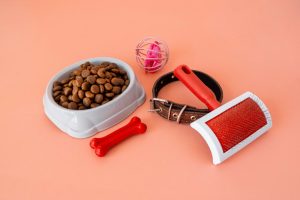
Grooming your pet is more than just a way to keep them looking cute—it’s an essential part of their health, comfort, and overall well-being. Using the right grooming tools can make the process safe, effective, and even enjoyable for both you and your furry friend. With so many brushes, clippers, combs, and shampoos available, it can feel overwhelming to know where to start. This guide will help you choose the right pet grooming tools, tailored to your pet’s needs, coat type, and lifestyle.
Why Choosing the Right Tools Matters
Using the wrong grooming tools can cause discomfort, injury, or ineffective grooming. Pets have different coat types, skin sensitivities, and grooming requirements. Selecting the right tools ensures:
- Safety: Proper tools reduce the risk of cuts, scratches, or skin irritation.
- Efficiency: The right equipment makes grooming faster and more effective.
- Comfort: Pets are less stressed when handled with suitable tools.
- Health Benefits: Helps prevent mats, tangles, and skin issues.
- Bonding: Comfortable grooming sessions strengthen your relationship with your pet.
Choosing tools carefully allows you to provide better care while making the grooming process enjoyable.
Understanding Your Pet’s Coat Type
Before purchasing grooming tools, it’s essential to understand your pet’s coat. Different coats require different brushes, combs, and grooming routines.
Common Coat Types:
- Short Hair: Smooth, close-lying fur, easy to maintain with basic brushing.
- Long Hair: Thick or flowing coats prone to mats and tangles; require specialized brushes and combs.
- Curly or Wavy Hair: Coats that can easily tangle; need slicker brushes and dematting tools.
- Double Coat: Dogs like Huskies or German Shepherds have a soft undercoat and a coarse topcoat; require de-shedding tools.
Understanding your pet’s coat type helps you select brushes, combs, and other tools that work efficiently.
Essential Grooming Tools for Every Pet
While specialized tools vary depending on coat type, some basic items are essential for all pets.
1. Brushes and Combs
Types of Brushes:
- Slicker Brush: Removes tangles and mats, ideal for long or curly hair.
- Bristle Brush: Gentle on short-haired pets, distributes natural oils.
- Pin Brush: Great for medium to long coats, especially for detangling.
- Undercoat Rake: Removes loose hair from double coats.
Tips for Choosing Brushes:
- Match the brush to the coat type.
- Use gentle pressure to avoid irritating the skin.
- Clean brushes regularly to remove trapped hair.
2. Nail Trimmers and Files
Keeping nails short prevents discomfort, injury, and scratching.
Types of Nail Trimmers:
- Scissor-Style Clippers: Ideal for small to medium pets.
- Guillotine Clippers: Suitable for small or nervous pets.
- Nail Files or Grinders: Smooth sharp edges, safe for sensitive pets.
Always have styptic powder on hand in case of accidental cuts.
3. Shampoo and Conditioner
Pet-specific shampoos and conditioners maintain coat health and hygiene.
Tips for Choosing Shampoo:
- Use formulas designed for pets; human shampoo can irritate the skin.
- For sensitive skin, choose hypoallergenic or oatmeal-based options.
- Avoid harsh chemicals and fragrances.
4. Ear and Eye Care Tools
Regular cleaning prevents infections and irritation.
- Ear Cleaner: Helps remove wax and debris safely.
- Cotton Balls or Pads: For gentle wiping.
- Eye Wipes: Useful for removing tear stains or discharge.
5. Grooming Scissors
Scissors are used for trimming delicate areas like around the eyes, paws, and sanitary regions.
Tips:
- Choose rounded-tip scissors for safety.
- Use sharp, high-quality scissors for precision.
6. Grooming Gloves
Grooming gloves are gentle alternatives to brushes, ideal for nervous pets. They remove loose hair while massaging the skin.
Specialized Tools for Specific Needs
Some pets require tools beyond the basics.
De-Shedding Tools:
For heavy shedders like Golden Retrievers or Huskies, de-shedding tools remove loose undercoat effectively.
Dematting Tools:
Long-haired or curly-coated pets benefit from dematting combs or rakes to prevent painful mats.
Pet Hair Clippers:
Useful for professional-level grooming or trimming thick coats at home. Ensure you choose the right blade length for your pet.
Dental Tools:
Pet toothbrushes, toothpaste, and dental wipes help maintain oral hygiene. Healthy teeth contribute to overall well-being.
How to Choose the Right Grooming Tool
When selecting grooming tools, consider these factors:
- Pet Size: Smaller pets need compact, lightweight tools; larger pets may require durable, heavy-duty options.
- Coat Type: Match brushes, combs, and clippers to the coat. Thick or curly coats need specialized tools.
- Comfort: Tools should be ergonomic for you and safe for your pet.
- Quality: Durable, high-quality tools last longer and perform better.
- Ease of Cleaning: Brushes and combs that are easy to clean save time and maintain hygiene.
Tips for Stress-Free Grooming
Some pets may resist grooming, making tool choice and handling critical.
- Start Slowly: Introduce one tool at a time.
- Positive Reinforcement: Reward pets with treats and praise.
- Short Sessions: Keep grooming short initially, gradually increasing time.
- Gentle Handling: Avoid pulling mats or pressing too hard.
- Create a Calm Environment: Choose a quiet space with minimal distractions.
Over time, pets become familiar with tools and grooming routines, making sessions easier.
Common Mistakes to Avoid
Avoid these mistakes to ensure safe and effective grooming:
- Using human brushes or combs
- Choosing low-quality tools that damage the coat or hurt your pet
- Ignoring coat type when selecting brushes
- Brushing or trimming too aggressively
- Skipping regular maintenance, leading to mats or overgrown nails
Awareness of these mistakes improves grooming effectiveness and prevents discomfort.
Maintaining Your Grooming Tools
Proper maintenance extends the life of your tools and keeps them safe for use.
- Clean Brushes Regularly: Remove hair and debris after each session.
- Disinfect Clippers and Scissors: Prevent infections and skin irritation.
- Sharpen Blades: Dull blades can pull hair or cause injury.
- Store Properly: Keep tools in a dry, secure location to prevent damage.
Conclusion
Choosing the right pet grooming tools is essential for maintaining your pet’s health, comfort, and appearance. Understanding your pet’s coat type, selecting brushes, clippers, and care products accordingly, and handling your pet gently ensures effective and stress-free grooming. Consistent grooming not only prevents mats, tangles, and skin issues but also strengthens the bond between you and your furry friend. By investing in the right tools and using them properly, you can provide your pet with professional-quality grooming at home.
FAQs
Q1: How do I know which brush is best for my pet?
A1: Match the brush to your pet’s coat type. Short-haired pets need bristle brushes, long-haired pets need slicker brushes, and double-coated pets benefit from undercoat rakes.
Q2: Can I use human grooming tools for my pet?
A2: No. Human tools are not designed for pet coats and can cause discomfort or injury. Always use pet-specific brushes, combs, and clippers.
Q3: How often should I groom my pet at home?
A3: Frequency depends on coat type and lifestyle. Short-haired pets may need brushing weekly, while long-haired or shedding pets may require daily grooming.
Q4: Are grooming gloves effective?
A4: Yes. Grooming gloves are gentle, remove loose hair, and can help calm anxious pets.
Q5: How can I make grooming stress-free?
A5: Use positive reinforcement, keep sessions short, introduce one tool at a time, and create a calm environment for your pet.