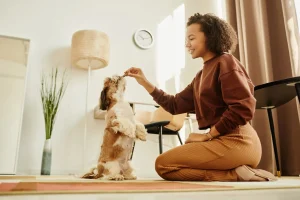
Training your dog is one of the best things you can do, both for you and your dog. A well-trained dog is not only safer and more obedient, but also happier and more confident in everyday life. If you’ve never owned or trained a dog before, it’s crucial to start with the basics. Basic training helps you and your dog get along better and teaches them how to behave appropriately at home and around the house.
Understanding Your Dog’s Behavior
Before you begin training your dog, you need to understand their behavior and what they want. Dogs communicate through body language, barking, and gestures. Learning to interpret these signals will help you guide them better. Puppies and adult dogs learn at different paces, so patience is essential. Being able to distinguish between anxious, distracted, or excited behavior will help you plan your training better and avoid frustration. For best training results, never use harsh punishment or forceful commands. Instead, be patient and respect your dog’s pace.
Setting Achievable Goals
For beginners, the first step is to set realistic training goals. Before trying more difficult techniques, start with simple commands like “sit,” “wait,” “come,” and “lie down.” Teaching a dog too many things at once can overwhelm them and even damage their confidence. To keep your dog motivated, divide training sessions into 10-15 minute blocks and do this regularly. Remember that training takes time and that your dog’s age, breed, and personality all influence their learning speed. To motivate both you and your dog, celebrate every small improvement.
How to Use Positive Reinforcement
One of the most effective and gentle ways to train a dog is to use positive reinforcement. This strategy encourages desired behavior by rewarding, praising, or petting the dog. For example, if your dog sits on command, immediately give them a small treat and plenty of praise. Don’t punish your dog for mistakes, as this will frighten and confuse them. Make sure everyone in the house uses the same commands and rewards. This method builds trust and helps the dog associate training with positive things.
How to Teach Basic Commands
The most important part of dog training is teaching basic commands. To teach a dog to sit, place a treat above their nose and slowly move it backward, causing them to place their hind legs on the ground. Reward them as soon as they sit. To get your dog to come to you, call their name in a cheerful tone and reward them when they do. You can teach them the “stay” command by gradually increasing the time they stay in one place and the distance between them and you, then rewarding them. By repeating these commands, your dog will learn to behave according to your wishes and understand your expectations.
Training with a Crate and Leash
For their safety and comfort, dogs need to learn to use a crate and leash. A crate provides a comfortable resting place, while leash training ensures safety during walks and activities. As your dog gradually becomes accustomed to the crate, you can give them treats and toys. Never use the crate as a means of punishment. The first step in teaching your dog to walk on a leash is to have your dog wear a collar and leash indoors before taking them outside. Gently train them to stop pulling on the leash and reward them when they walk calmly beside you. These training techniques help your dog develop good habits and make your life easier.
Socialization and Interaction
Socialization is an important part of basic dog training, especially for puppies. Taking your dog to different places, letting them meet new friends, and letting them play with other animals can help prevent shy or aggressive behavior later in life. Start with safe, controlled, and positive interactions and gradually expand your interactions. Taking your dog to busy places or letting them play with other dogs under supervision can help them stay calm when they see or hear new things. Good socialization can boost his confidence, reduce stress, and make training and daily activities more enjoyable for both of you.
Troubleshooting Common Challenges
Even beginner dog trainers, with their patience, can encounter problems. Excessive barking, jumping up on people, or ignoring commands are common problems. To address these issues, identify the cause and use distraction techniques, such as giving your dog toys or practicing commands in a quieter environment. Don’t get angry or punish your dog; stay calm and consistent. If you’re experiencing problems with certain behaviors, it might be wise to seek the help of a professional dog trainer. Remember that training is a process, and problems are an opportunity to better understand your dog and strengthen your bond.
Conclusion
In short, basic training is an important part of good dog ownership and helps you and your dog build a stronger bond. By understanding your dog’s behavior patterns, setting realistic goals, using positive reinforcement, and regularly practicing basic commands, you can help your dog develop good habits that will last a lifetime. Your dog’s confidence and adaptability will further increase if you practice crate and leash training, socialize your dog, and help them solve common problems. If you are patient and persistent, and maintain a positive attitude, your dog will learn important skills and enjoy the training. With time and your effort, your dog will become a well-behaved, happy friend who will make your life more enjoyable.
FAQs
1. How many times a day should I train my dog?
For beginners, two to three short training sessions of 10 to 15 minutes per day are ideal. This keeps the dog interested and prevents them from becoming tired or bored.
2. How do I prevent my dog from jumping up on people?
Teach your dog to sit when someone enters the house and reward them to keep them calm. Everyone in the house needs to be consistent in teaching this good behavior.
3. Can I train an adult dog? Or is it too late?
Adult dogs can certainly learn new commands and behaviors. While it may take longer, positive reinforcement and patient training are effective for all ages.
4. What if my dog doesn’t obey?
First, remove all distractions and train in a quiet place. Make sure the rewards are consistent and motivating. As your dog progresses, you can gradually add distractions.
5. Should I reward my dog every time I train?
In the beginning, rewards are very effective in motivating dogs. Over time, you can gradually transition to praise and petting, but you’ll still need to use treats occasionally to keep him focused.