Bringing a puppy home is exciting, but potty training is one of the biggest challenges of dog ownership. Teaching a puppy when and where to eliminate takes time, patience, and positive feedback. Proper potty training can prevent problems for your puppy, reduce your stress, and lay a foundation for positive behavior as they grow. Even those new to dog training can complete the training process in just a few weeks by following the right steps.
How to Understand Your Puppy’s Behavior
To begin potty training your puppy, you need to understand their typical behavior patterns. Because puppies are small, they can’t completely control their urination and defecation, so they need to urinate frequently, especially after eating, drinking, playing, or waking up from a nap. Furthermore, puppies tend to potty train in familiar and safe places, so accidents in the house are normal in the early stages of developing positive habits. By understanding these patterns and paying attention to your puppy’s cues, you can take action quickly and establish good potty habits.
Establish a Routine
When potty training your dog, consistency is key. By setting regular times for feeding, playing, and pottying, you teach your puppy when to go outside. Take your puppy for a walk at the same times every day, for example, in the morning, after meals, after a nap, and before bed. A routine gives your puppy a sense of security and helps them learn when to go to the bathroom. By being consistent, you can teach your puppy beneficial habits faster.
Choosing the Best Potty Spot
To encourage positive behavior, it’s important to choose a designated outdoor potty spot for your puppy. They’ll learn faster if you take them to the same spot every time. Each time you take your puppy to the toilet, go to the same spot and say, “Go potty.” This helps them associate the command with the actual action. To encourage this behavior, praise and reward your puppy immediately after they go to the bathroom outside.
Use Good Behavior as a Guide
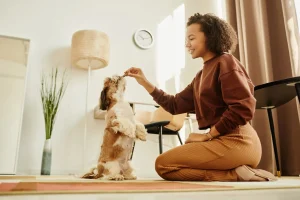
One of the best ways to potty train a puppy is to provide positive feedback. Give your puppy a treat, praise, or a gentle pat immediately after they go to the bathroom; this encourages them to do it again. Don’t scold or punish them; these behaviors will frighten and confuse them, slowing down the training process. Giving treats builds your puppy’s trust in you and helps them feel fulfilled while learning new things. Over time, your dog will learn that positive behavior earns them a treat. This process makes potty training easier and more enjoyable.
Supervision and a Closed Area
To ensure safety and help your puppy develop positive habits, constant supervision during potty training is essential. Pay close attention to your dog and listen for cues such as sniffing, circling, or whining. If you can’t observe your puppy directly, use a crate or other enclosed space to safely monitor them. Because puppies naturally don’t like to soil their sleeping areas, crate training can help you potty train them outdoors. Your puppy’s play area can be gradually expanded as they get better at potty training outside.
Dealing with Accidental Potty Training
It’s normal for puppies to accidentally potty train; staying calm is crucial. If your puppy is potty training indoors, don’t scold or punish them. Instead, thoroughly clean the area with an enzyme cleaner to eliminate odors and prevent them from potty training in the same spot again. If your puppy misbehaves, calmly stop them and take them outside immediately to teach them the correct potty spot. Patience and consistency during this process will help your puppy learn and prevent you from getting frustrated.
Gradually Encouraging Independence
As your puppy improves at potty training outdoors, you can gradually increase their indoor space. Initially, only allow your puppy to enter one room at a time while closely monitoring him. Take your puppy outside regularly and reward him after he goes to the bathroom. Your dog will eventually learn to indicate when he needs to go and develop excellent potty habits. This gradual increase in freedom will boost his confidence and help him understand his boundaries, leading to successful potty training in the long run.
Conclusion
Potty training a puppy takes time, patience, and plenty of positive feedback, but it’s crucial for a well-behaved dog. You can successfully teach your puppy good potty habits by observing their behavior, following a consistent schedule, choosing a designated potty spot, using positive reinforcement, being a good observer, handling unexpected situations calmly, and gradually giving them more freedom. Over time, and with your efforts, your puppy will become dependent on you, confident, and comfortable at home, making home a happy place for both of you.
FAQs
1. How long does it take to potty train a dog outdoors?
Depending on the puppy’s age, breed, and training level, most puppies can be potty trained within a few weeks to a few months.
2. Can I use pee pads instead of potty training outdoors?
While pee pads can help with indoor potty training, most dogs prefer to potty train outdoors so they can develop positive habits and make friends. It’s best to transition to outdoor potty training gradually.
3. What should I do if my puppy keeps peeing or pooping outside?
Review your potty training schedule, supervision schedule, and daily routine. Make sure your puppy goes outside regularly and reward them afterward. If this persists, consult a veterinarian, as it could indicate a health problem.
4. How often should I take my dog out?
Puppies need to go outside approximately every one to two hours to relieve themselves after eating, playing, and napping. As they get older, they can hold their stools longer.
5. Should I use a crate to potty train my puppy?
It’s best to let puppies sleep in a crate, as this utilizes their instinct to avoid soiling their sleeping area. Crate training is helpful, but it shouldn’t be used to punish the owner.